
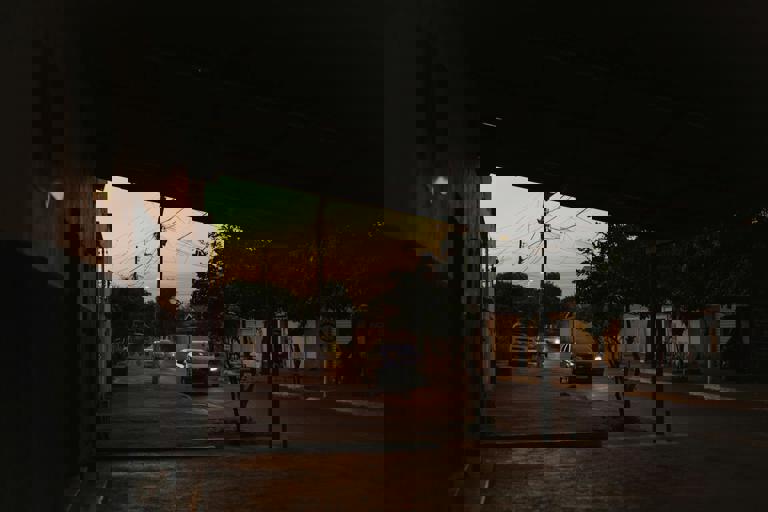
Hundreds of residents in the North End neighborhood of the city were confronted with a prolonged power outage on Thursday night, as powerful winds swept through the area. The blackout, which began shortly after 7:00 p.m., persisted for nearly twelve hours, plunging homes and businesses into darkness until well into the following morning. Cold temperatures compounded the discomfort, prompting concerns from families trying to adapt as best they could.
According to Manitoba Hydro, approximately 1,300 households were affected when tree branches snapped and fell on overhead power lines during the storm. The company issued a statement early Friday, confirming their crews worked through the night to clear debris and restore electricity. Spokesperson Julia Park noted, "We prioritized restoring power as safely and efficiently as possible despite hazardous conditions."
One North End resident, Greg Lavoie, described the experience as both stressful and inconvenient. "My kids couldn’t finish their homework and we had to eat dinner by candlelight," he said. "You don’t realize how much you depend on power until it’s gone." Similar stories echoed across the area as residents coped with the sudden loss, many using flashlights and battery-powered radios for updates.
Local businesses faced significant challenges due to the power outage. Owners of neighborhood groceries reported spoiled perishables and lost sales, with at least two stores discarding refrigerated goods after hours without cooling. "We lost almost a third of our stock because it couldn’t be kept cold overnight," shared Mona Singh, who manages a small supermarket just off Main Street. "It’s a major setback."
Manitoba Hydro’s response teams were dispatched from several districts to assist with repairs. Despite gusty winds and intermittent rain, linemen worked late into the night, utilizing bucket trucks to carefully re-string lines and replace damaged transformers. As power gradually returned to parts of the North End, residents offered hot drinks and snacks to the crews, expressing their gratitude for the workers’ dedication.
City Councillor Rachel Cheng visited the affected neighborhoods on Friday morning, meeting with families and business owners impacted by the disruption. "This outage highlights the vulnerability of our electrical infrastructure during increasingly frequent extreme weather events," Cheng said. "We need to invest in modernizing the grid and in resilient solutions for the community." Her comments sparked further debate among local stakeholders.
This is not the first instance of widespread outages in the North End. According to city records, there have been four major blackouts linked to storms or high winds in the past three years. The pattern has left many residents questioning whether the aging local power grid is equipped to cope with shifting climate patterns and more volatile weather.
Experts point to the city’s over-reliance on above-ground lines in tree-heavy neighborhoods as a key source of vulnerability. University of Manitoba engineering professor Dr. Elsa Marin explained, “While burying power lines is costly, it significantly reduces the risk of outages caused by storms. Communities that have invested in underground infrastructure experience fewer disruptions and quicker recovery times.”
Children and seniors were especially affected during the outage. Several parents expressed concern over indoor temperatures dropping during the night, while staff at a local seniors' facility had to implement emergency measures, including providing extra blankets and moving residents away from drafty windows. The local fire department also responded to two calls regarding generator fumes, reminding residents to use such equipment outdoors only.
In the wake of the incident, city officials are urging residents to develop emergency plans and to maintain supplies such as batteries, lanterns, and non-perishable food. “Every household should have a kit for situations like this,” advised Emergency Management coordinator Lukas Fontaine. The city plans to host preparedness workshops in the coming weeks, aiming to boost community resilience before the next storm season arrives.
Environmental advocates emphasize that infrastructure updates must address both grid resiliency and sustainability. “As we push for more renewable energy sources, the grid must adapt not only for reliability but also for a lower carbon footprint,” said Linh Tran, program director for Green Prairie Initiative. She encouraged collaboration between provincial utilities, local governments, and community organizations to fund and deploy grid improvements.
Despite lingering frustration, there was a sense of relief as power was eventually restored across the North End late Friday morning. As families reset their clocks, restocked their fridges, and checked in on neighbors, the conversation in the community has shifted from immediate recovery to long-term solutions. The incident serves as a sobering reminder of the region’s infrastructure challenges, and the collective effort now required for a more resilient future.