
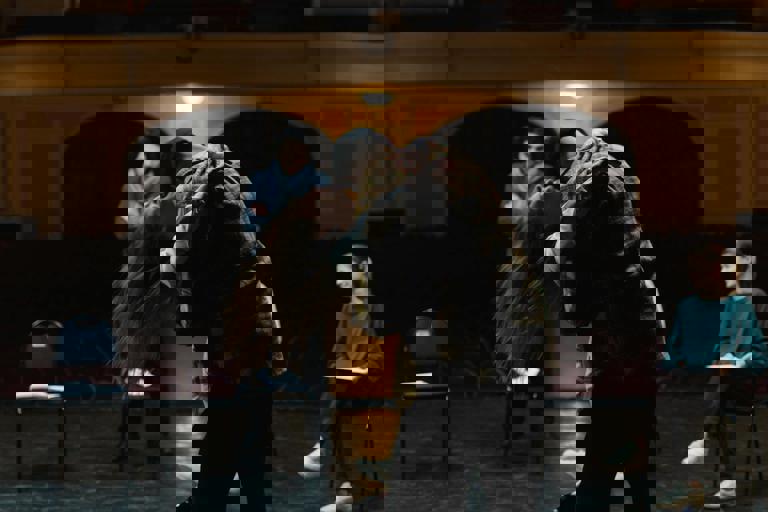
The vibrant resurgence of Indigenous voices in Canadian theatre spaces has marked a significant turning point for both the arts community and broader society. As ancestral narratives are reimagined for the contemporary stage, Indigenous playwrights are breathing new life into centuries-old stories. Their fusion of tradition with modernity has not only captivated audiences but also encouraged vital conversations about reconciliation, identity, and the preservation of cultural heritage within Canada.
In recent years, notable productions have blended traditional storytelling elements—such as song, dance, and the use of Indigenous languages—with cutting-edge theatrical methods. These performances often incorporate visual projections, contemporary music, and multimedia installations that enhance the emotional depth of Indigenous narratives. For instance, Marie Clements’ "The Unnatural and Accidental Women" fuses factual history with poetic expression, illuminating both sorrow and resilience within Indigenous communities.
A growing number of Indigenous playwrights, such as Tomson Highway and Yvette Nolan, have received national and international acclaim for their contributions to theatre. Their works are celebrated not just for artistic innovation but also for providing authentic representations of Indigenous experiences. According to Highway, “Theatre is a natural storytelling medium for us; it connects our past with the present and invites all Canadians into our histories.”
Audiences, both Indigenous and non-Indigenous, are responding enthusiastically to these productions. Attendances at Indigenous-led performances have risen markedly across Canadian cities, from Toronto’s Native Earth Performing Arts to Vancouver’s Talking Stick Festival. Box office statistics reveal a steady increase in ticket sales, and critics regularly praise these shows for their emotional intensity and powerful social commentary.
Importantly, these theatrical works often draw upon oral histories that have been shared over generations within Indigenous communities. By presenting stories once only told around the fire, playwrights are ensuring that ancestral wisdom is not forgotten but rather re-contextualized for younger generations. This act of preservation is seen by many as a radical form of cultural activism—one that fosters both healing and pride.
Collaboration between Indigenous artists and mainstream theatre organizations has provided further opportunities for Indigenous voices to be heard. The National Arts Centre in Ottawa, for example, has established Indigenous Theatre, a division dedicated to programming and supporting Indigenous creators. According to artistic director Kevin Loring, “Our mandate is to amplify Indigenous narratives and open space for culturally grounded storytelling on Canada’s biggest stage.”
Many productions address contemporary social issues, such as the legacy of residential schools, missing and murdered Indigenous women, and environmental protection. By weaving these themes into their narratives, Indigenous playwrights challenge theatre-goers to confront uncomfortable histories and reckon with ongoing injustices. “We want people to feel, to question, and to ultimately understand,” says playwright Tara Beagan, whose works often center on social justice.
The reception from critics has underscored the necessity and brilliance of these productions. Theatre critic J. Kelly Nestruck of The Globe and Mail noted, “The power and poetry in these performances reveal the complexity and diversity of Indigenous life in Canada, far beyond the stereotypes that have too long dominated public perception.” Such critical acclaim has fueled greater demand for Indigenous-led content on national stages.
Educational initiatives have also sprung up alongside this artistic movement. Workshops, talkbacks, and partnerships with local schools help demystify Indigenous histories and theatrical practices. These programs aim to bridge gaps in understanding, fostering respect and curiosity among diverse audiences. The inclusion of Indigenous plays in post-secondary curricula further signals an institutional shift towards recognizing and valuing Indigenous perspectives within the arts.
Beyond metropolitan centers, Indigenous touring theatre companies are bringing performances to remote and rural communities. This outreach ensures that Indigenous audiences, often marginalized from mainstream cultural offerings, can access performances that reflect their heritage. Such tours frequently become community events, blending theatre with feasts, drumming, and intergenerational dialogue, reinforcing the communal roots of Indigenous storytelling.
Despite growing recognition, Indigenous theatre practitioners acknowledge that challenges remain. Funding disparities persist, and many communities still lack adequate infrastructure to support live performance art. Nevertheless, advocates remain hopeful. “There is momentum. We need continuous support to keep these stories alive and thriving,” emphasizes playwright Reneltta Arluk, who champions increased investment in Indigenous arts initiatives.
The future of Indigenous storytelling in Canadian theatre looks promising. With a new wave of talented writers and directors emerging, the scene is poised for ongoing innovation and influence. As traditions merge with contemporary aesthetics, and as ancestral voices resound from the stage, Indigenous storytellers remain at the forefront of Canada’s cultural renaissance—reminding audiences of the enduring power and relevance of their living heritage.